If you are unable to come to the office for an in-person consultation, you can get a recommendation from Dr. Jeffrey Epstein by sending photos and, if desired, having a virtual consultation. Please follow the instructions on this page for sending in photos. You will then be contacted by a patient care coordinator, who will have the doctor evaluate them and provide his recommendations.
Jeffrey Epstein, MD, FACS
Hair Restoration Expert
6280 Sunset Dr #504
South Miami, FL 33143
Phone: (786) 401-5805
Hours: Monday–Friday: 9 a.m.–5 p.m.
Virtual Hair Transplant Consultations
Virtual face-to-face meetings are provided via webcam, using either Skype® or FaceTime with an Apple phone. During this meeting, you’ll have the opportunity to connect directly with Dr. Epstein and receive his recommendations. While there is a fee for this virtual meeting, it will be applied in full toward any procedure you choose to undergo. Please note, this is not considered an official consultation but rather an opportunity to meet with the doctor and gain insights into his recommendations.
Whether you have a webcam meeting or will be sending in photos to be evaluated, please be sure to fill out the virtual consultation form.
Guidelines for Photographs
Please follow the guidelines below when submitting your photographs to ensure we can provide you with the most accurate and tailored recommendations.
- Submit digital photos or scanned print photos
- Use bright, natural room lighting; do not use a flash
- Shoot from a distance of 3 to 5 feet
- Ensure that the area you are shooting is in frame and in focus
- Photos must not exceed 4MB (4,000kb) each; please resize photos that exceed this limit
- Acceptable photo file types are JPG or JPEG
For your virtual consultation, we will require photographs showing the following angles
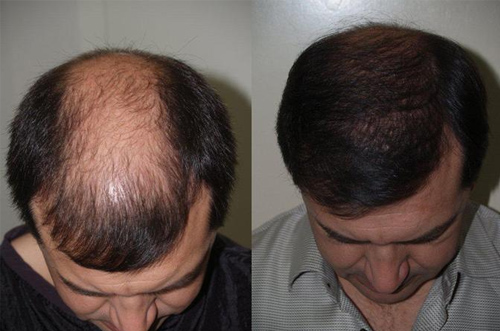
- The top of the head. A photograph showing the top of your head will provide us with an overall view of your current hair loss, including its degree, as well as potential hair loss.
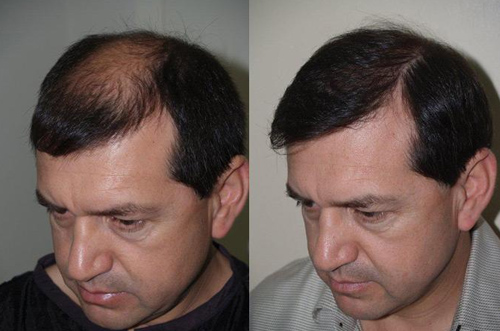
- Side profiles. Photographs showing the left and right sides, or profiles, also demonstrate the extent of hair loss.
- The back of the head. Two photographs should be taken of the back of the head or scalp. One should simply be a photograph of the back of the head. The other should be taken of the back of the scalp while you are pulling up a horizontal strip of hair in the donor area using your hand or a comb. This second photograph will help us to assess the density of donor hair.
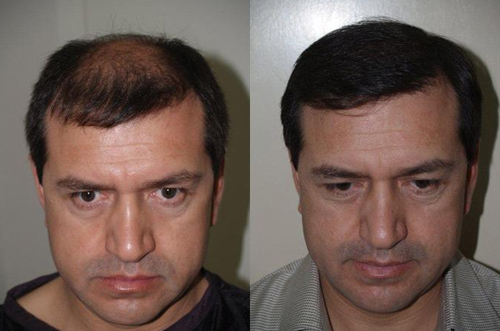
- Hairline. A photograph of the front hairline will allow us to see how your hairline frames your face. If you have an idea of how you would like your hairline to look, you may demonstrate this by drawing your hairline on your scalp.

Provide photos showing the following angles:
This gives us an overall view of your hair loss situation. The top view is important, as it helps us determine the extent of existing and potential future hair loss.
Front hairline
We need to understand how your existing or new hairline frames your face. This is imperative for the review process. If possible, take some time to draw your hairline on your scalp to show us where you would like to have it placed. This helps us to understand your desires and expectations from the procedure.
The top of your scalp
This gives us an overall view of your hair loss situation. The top view is important because it helps us determine the extent of existing hair loss and potential future hair loss.
Oblique profile
The profile is very important for assessing the needs of our patients. The profile helps us understand the extent of hair loss.
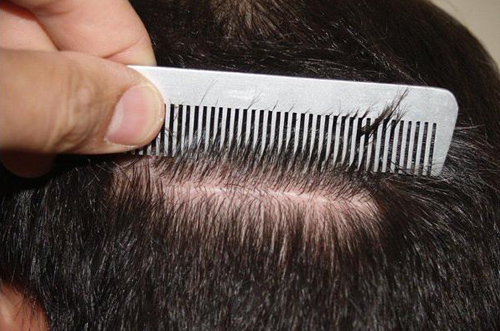
The back of the scalp
If possible, include a photograph with your donor hair pulled up either with your hand or with a comb. This helps us determine your donor density.